Website builder for South African independent schools, ECD centres and tutors
4softedu is a website builder for independent schools, pre-primary and ECD centres, private tutors and sworn translators in South Africa. Choose a theme, edit it in the browser and publish a site parents can find on Google, with a 14-day free trial that starts with a card.
Website themes for schools, kindergartens, tutors and translators
Pick a theme built for your school or kindergarten, your private tutoring practice or your translation office — presentation, online bookings and contact. Customize it visually and publish the same day, with hosting and SSL included.
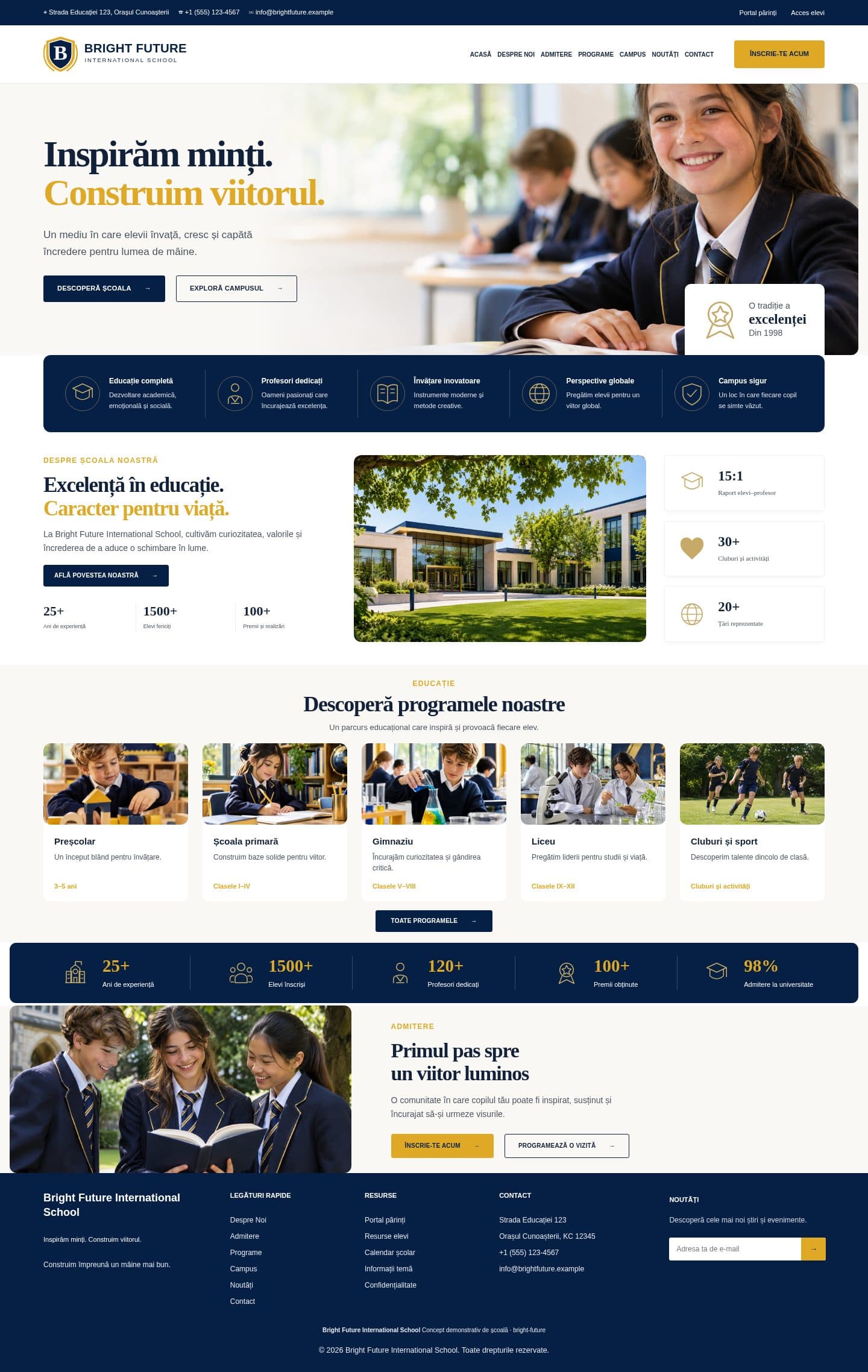
Bright Future
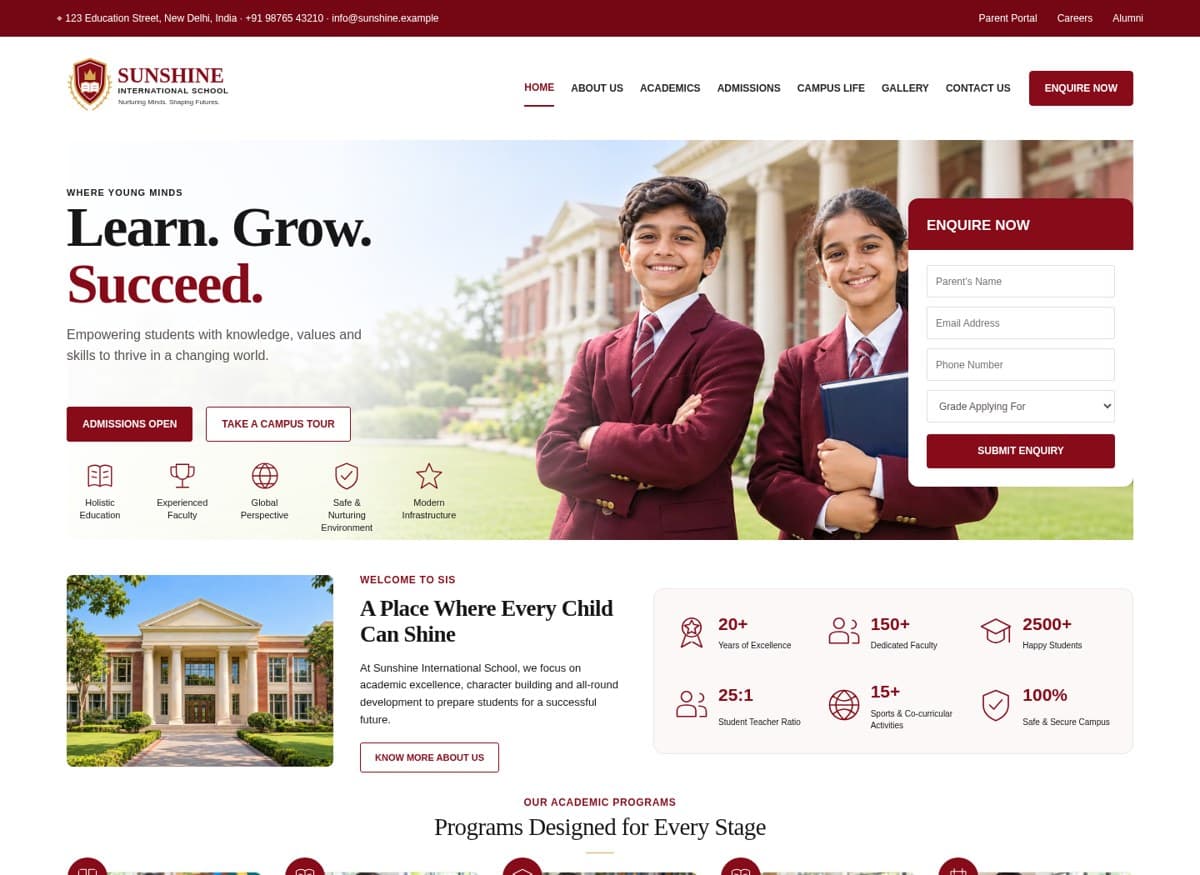
Navy and gold school theme with campus, five programs, admissions, family resources and visit requests. Romanian and English.
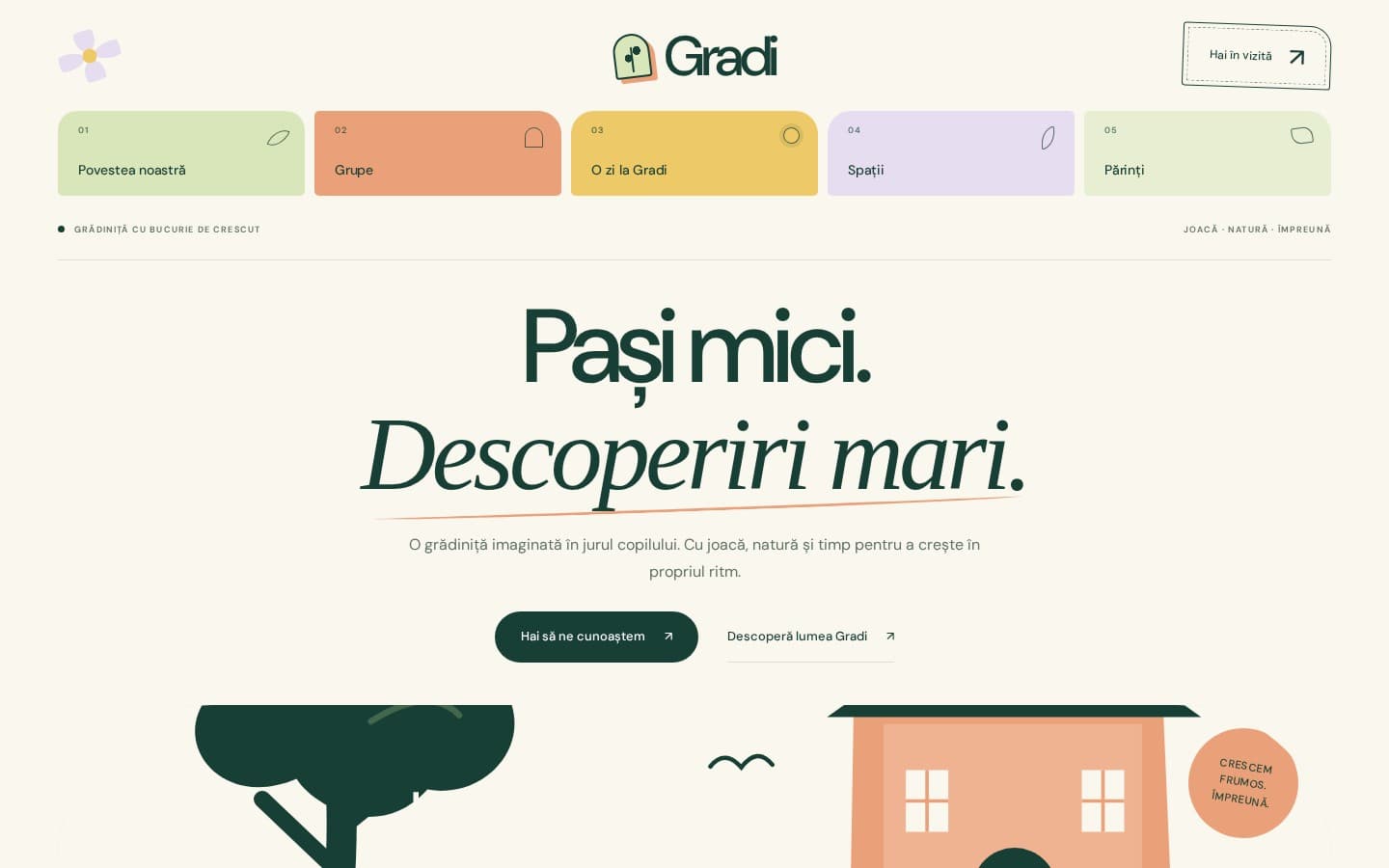
Premium kindergarten theme with cream, forest green and original illustrations. Age groups, daily rhythm, spaces, team, parent guides and visit requests. RO / EN.
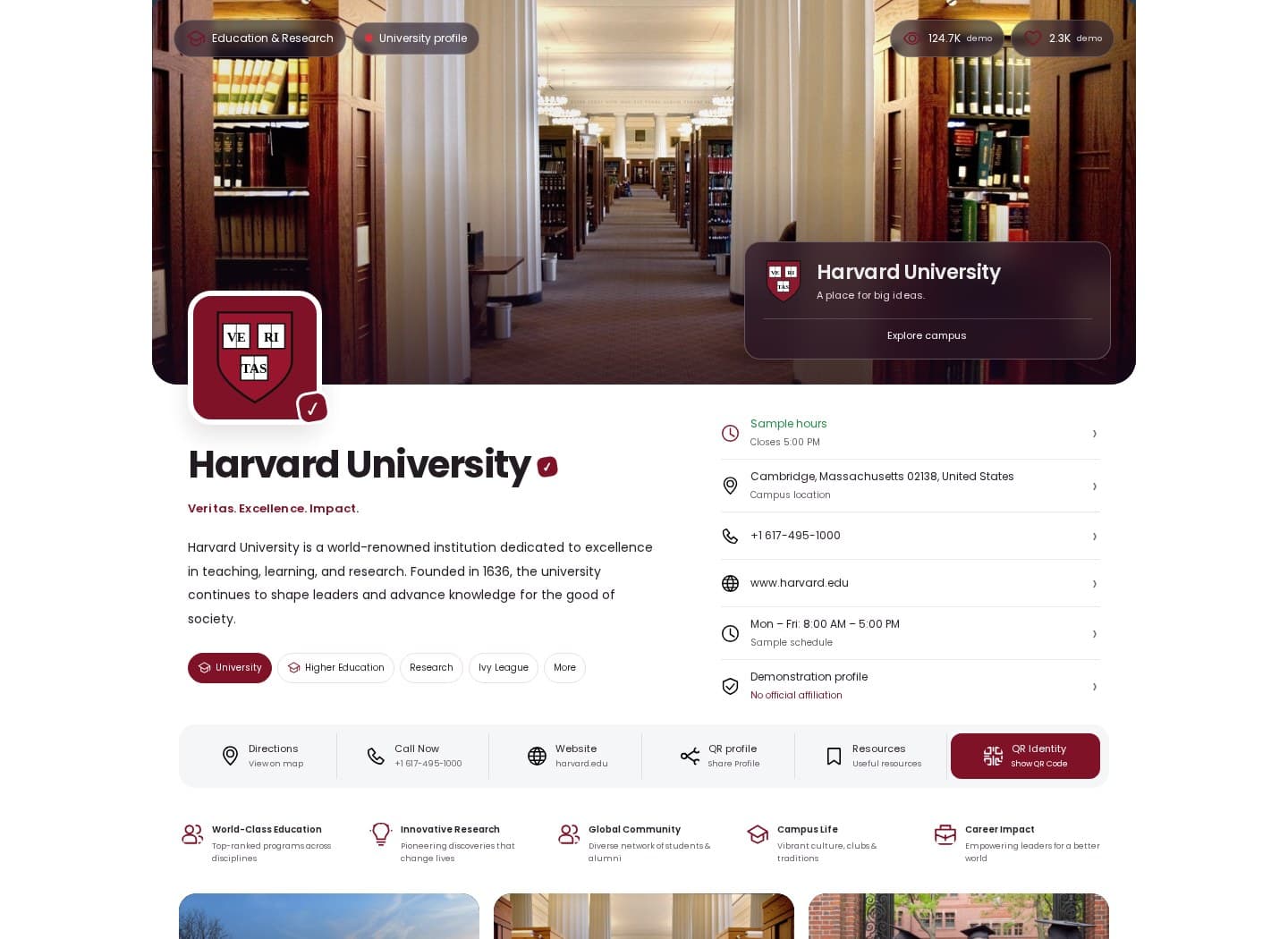
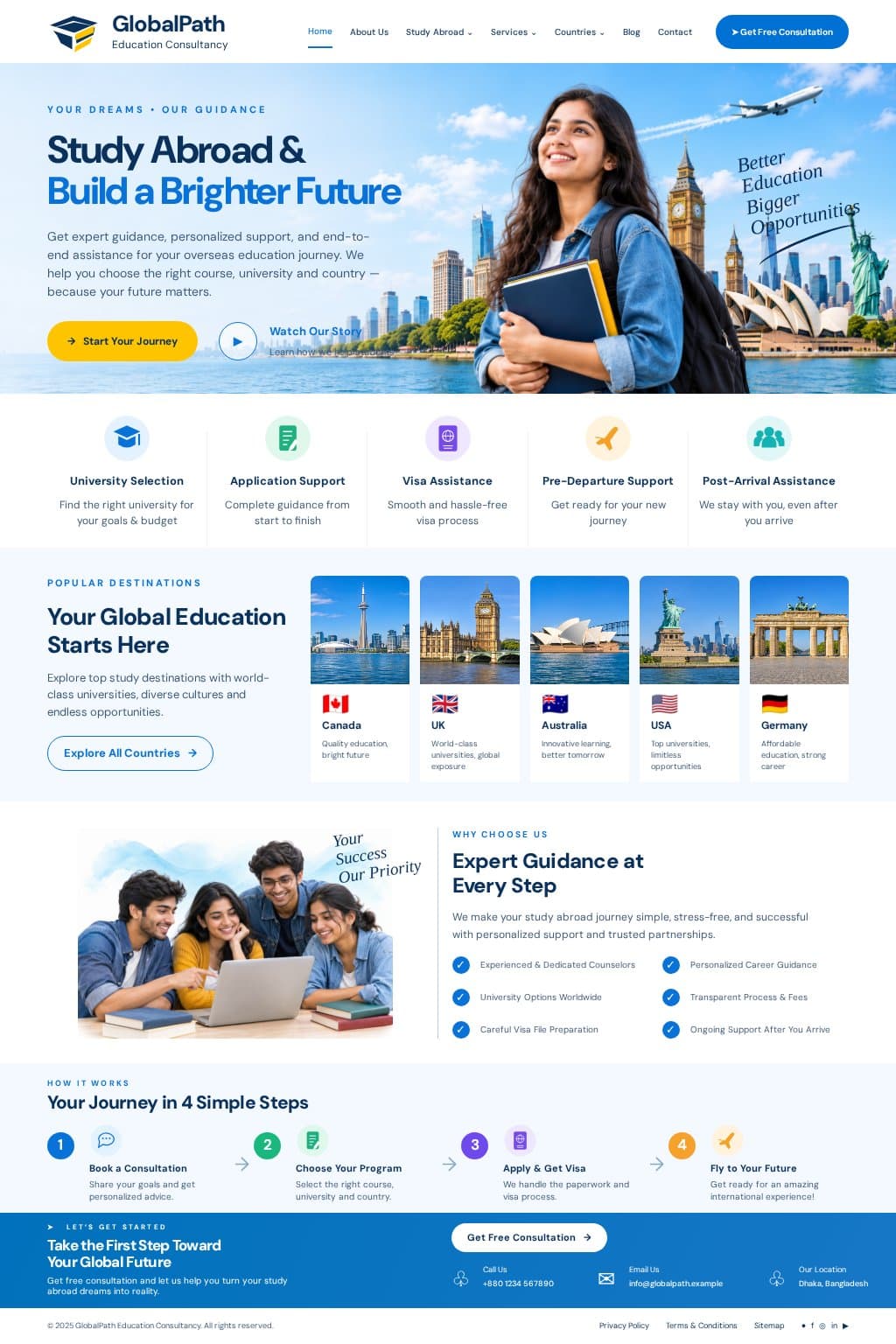
A presentation site for a private tutor: testimonial hero, lesson types, student reviews, key stats, blog and contact. Online booking for lessons, no store.
A presentation site for private schools and kindergartens: hero with your institution, welcome section, benefits, teaching staff, testimonials and partners. Online booking for visits/enrolment, no store.
Building an education website in South Africa: the complete guide
South African parents and students judge an education provider long before they walk through the gate. They search on their phones, compare a few websites and decide who deserves a phone call. This guide set explains what a good local education website contains and how to build one with 4SoftEdu.
Who this guide set is for
A public website gives families a place to read about your institution and contact its team. In South Africa the audience may include independent schools, private preschools, crèches, tutors and translation clients. 4SoftEdu also has a separate EDU module for internal education tasks; check the plan, panel availability and user permissions when evaluating that area of the product.
Each of those businesses faces the same first problem. A family or client finds you through Google or a recommendation on a community group, opens your page on a mobile phone and decides within seconds whether you look real, safe and competent. A clear website answers that question before anyone has to ask it, and it works while you are teaching, translating or running a class.
Independent schools and private colleges
Preschools, crèches and Grade R centres
Private tutors and small learning centres
Translation and interpreting bureaus
The South African context a site has to respect
Education in South Africa is organised around the national Department of Basic Education and nine provincial education departments. Schools follow the CAPS curriculum or an alternative such as the Independent Examinations Board path or a Cambridge programme, and the year runs from January to December in four terms. Parents therefore think in terms of grades, phases, term dates and the matric year, and your website should use the same vocabulary they use at home.
The country also has eleven official languages and a very mixed linguistic reality. Many schools publish in English, some in Afrikaans, and some add a second language for their community. Decide early which language your primary audience reads best, and keep the tone friendly and direct. Avoid jargon that only inspectors understand and lead with what a parent wants to know.
What a good site contains
A convincing education website is mostly plain information presented well. Families look for the grades or age groups you cater for, your school day and term dates, your address with a map, a way to contact a real person, and evidence that you are properly registered and run by qualified people. The detailed checklist guide in this set walks through each of those elements.
Beyond the basics, each type of provider has its own priorities. A school needs an admissions page and information about its curriculum and extramurals. A crèche needs clear information about age groups, hours and safety routines. A tutor needs subjects, grades and a simple way to enquire. A translation bureau needs language pairs, document types and clarity about certified work. The dedicated guides for each type cover these in turn.
How the guides fit together
Start with the guide for your type of business, then work through the website checklist, the enrolment information page and the privacy guide, which explains why the Protection of Personal Information Act matters when your visitors include children. After that, the theme and editor guide shows how to turn the plan into a published site, the booking guide explains how to offer a visit or consultation through a link, and the domain guide covers your own web address, EU hosting and basics of local search.
The service starts with a 14-day free trial, which begins with a card. You choose a theme from the gallery, customise it in the editor and publish. The domain name is not included, so you connect a generic domain such as a .com, .net or .org that you own. Pick the guide that matches your situation below and you can have a first version live in an afternoon.